Functional Mobility Reset
Taleroni runs a six-person mobility class built for people whose hips and shoulders have gone stiff from sitting down for a living. It's not yoga and it's not a stretch-and-chill session. You work through loaded positions, hold them, and then put weight through the new range so it stays there.
Range you can use, not just reach
Every class ends with a loaded test so you can feel whether the new range holds up when gravity and a barbell get involved.
Stretching alone doesn't stick, so we load the new range
Most people can pull themselves into a deeper squat after ten minutes of stretching, then lose it by the drive home. The classes at Taleroni treat range as something to be trained, not just reached. You open the tissue with slow loaded work, then use the fresh range immediately under weight, in a controlled way, with a coach watching the position. Do that twice a week and the change tends to survive past the day of the class.
Loaded end-range holds
Light kettlebells and dumbbells held at the end of your range for timed sets teach the joint to stay there rather than snapping back the moment you stand up.
Personal attention in a small class
With six people in the room, the coach can see every knee position and shoulder angle, and pull you back before a stretch becomes a strain.
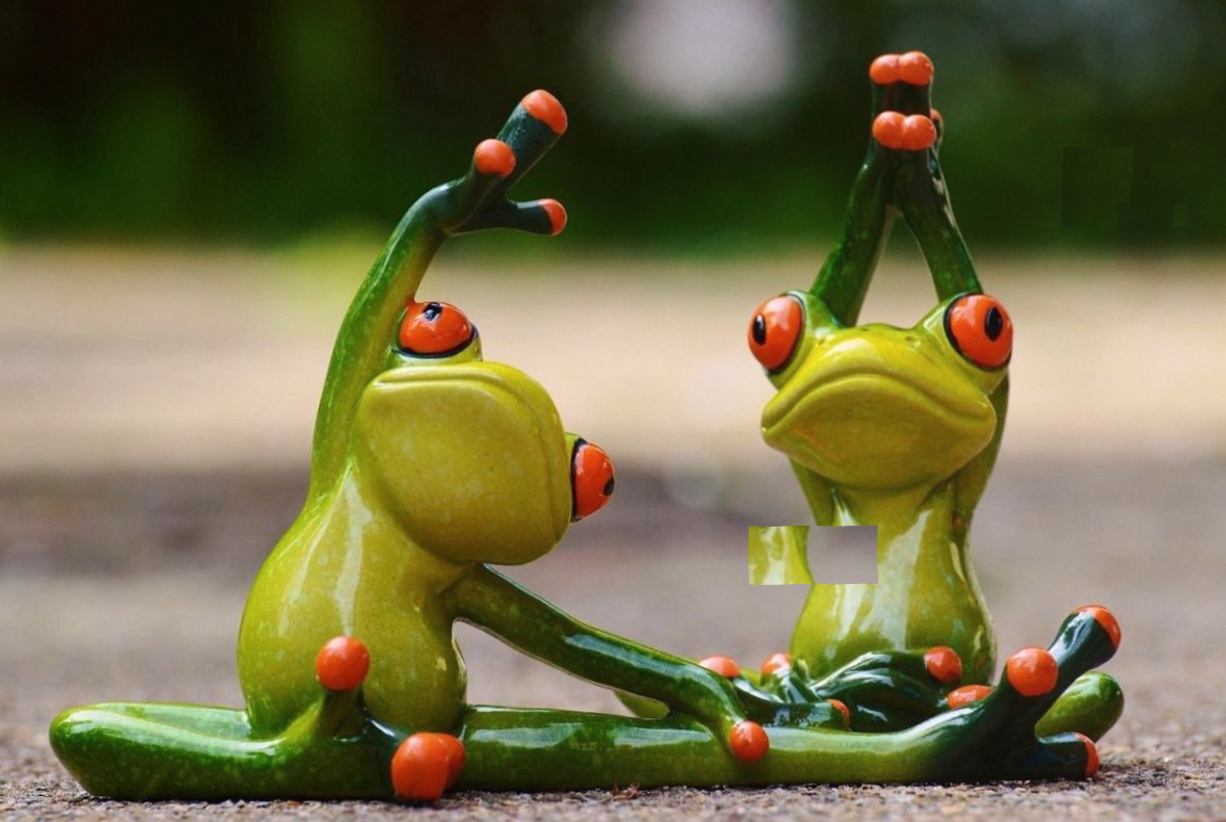
A typical class
Warm-up, ankle and hip openers, shoulder work, a thirty-second loaded hold in your weakest position, then a short movement reset to finish.
Mobility work coached by people who move heavy things
Taleroni's mobility coaches split their week between the class floor and the strength floor, so the positions taught in class are the same ones that matter under a squat bar. Nothing here is borrowed from a video with no context.
Rebuilding after surgery
Knees and shoulders coming back from surgery get their own progression, coordinated with whatever your physio has already cleared you to do.
Hip replacements and hip stiffness
Members with restricted hip range work from the range they have, safely, rather than being told to force a position that isn't there yet.
Desk-bound Brisbane workers
The class times sit after work for a reason, when the hips have been folded in a chair all day and need the most help.
Runners with tight ankles
Ankle range is the first thing checked for runners, because a stiff ankle changes the whole stride and usually shows up as knee pain down the track.
Class packs, billed the honest way
You buy a set number of classes. They don't expire within a year, so a holiday or a bad flu week doesn't wipe what you've already paid for.
Single Class
A taster session for anyone who wants to feel the class before buying a pack.
Ten-Class Pack
The pack most members run on, roughly one class a week for two and a half months.
Mobility Plus Strength
Mobility classes paired with two coached strength sessions a week for people rebuilding both range and load.
Assessing, moving, and checking the change
Mobility work only pays off if someone measures what changed. That's why the first month runs on a fixed check-in rhythm.
Movement screen
Ankle, hip, shoulder and thoracic range get measured with a goniometer, and the numbers go straight into your file.
Weak-link pick
The coach picks one restricted area to attack first, on the logic that chasing four at once changes none of them.
Class routine set
You're slotted into the class with two or three personal modifications written down so the coach on the floor knows your version.
Weekly loaded work
Each class ends with a load in your new range. It's light to start, then progressively heavier as the joint tolerates it.
Home drills given
Between two and four drills are written out, chosen because they fit in five minutes, not because they look good on a poster.
Four-week retest
The same measurements come out again. If nothing moved, the approach changes rather than the person being blamed.
New target set
The next month aims at the second-weakest area, while the first one is kept on maintenance.
What the mobility room looks like
Mats, blocks, a wall bar, and a range of kettlebells light enough to hold at the end of a stretch without fighting them.
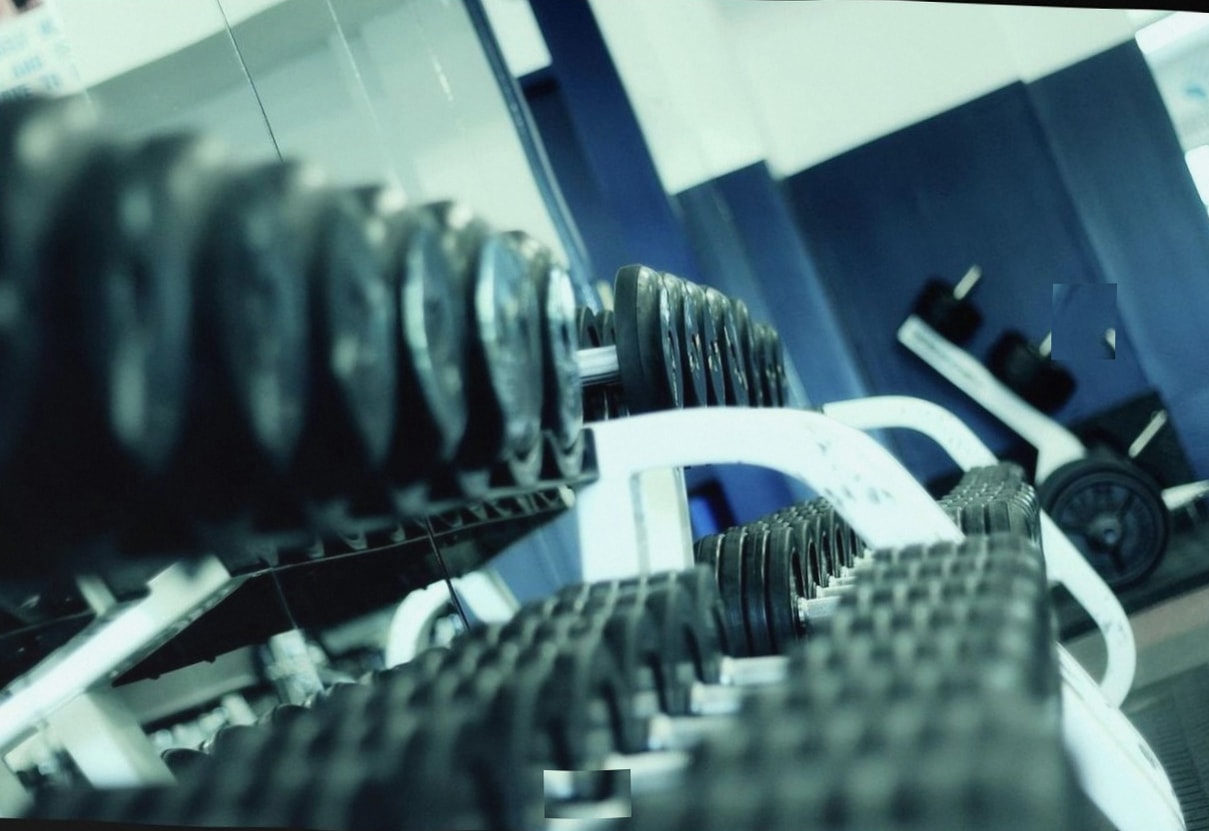
Hip opener, first block
The opening drills drop into a half-kneeling pattern that most desk workers feel within the first minute of class.
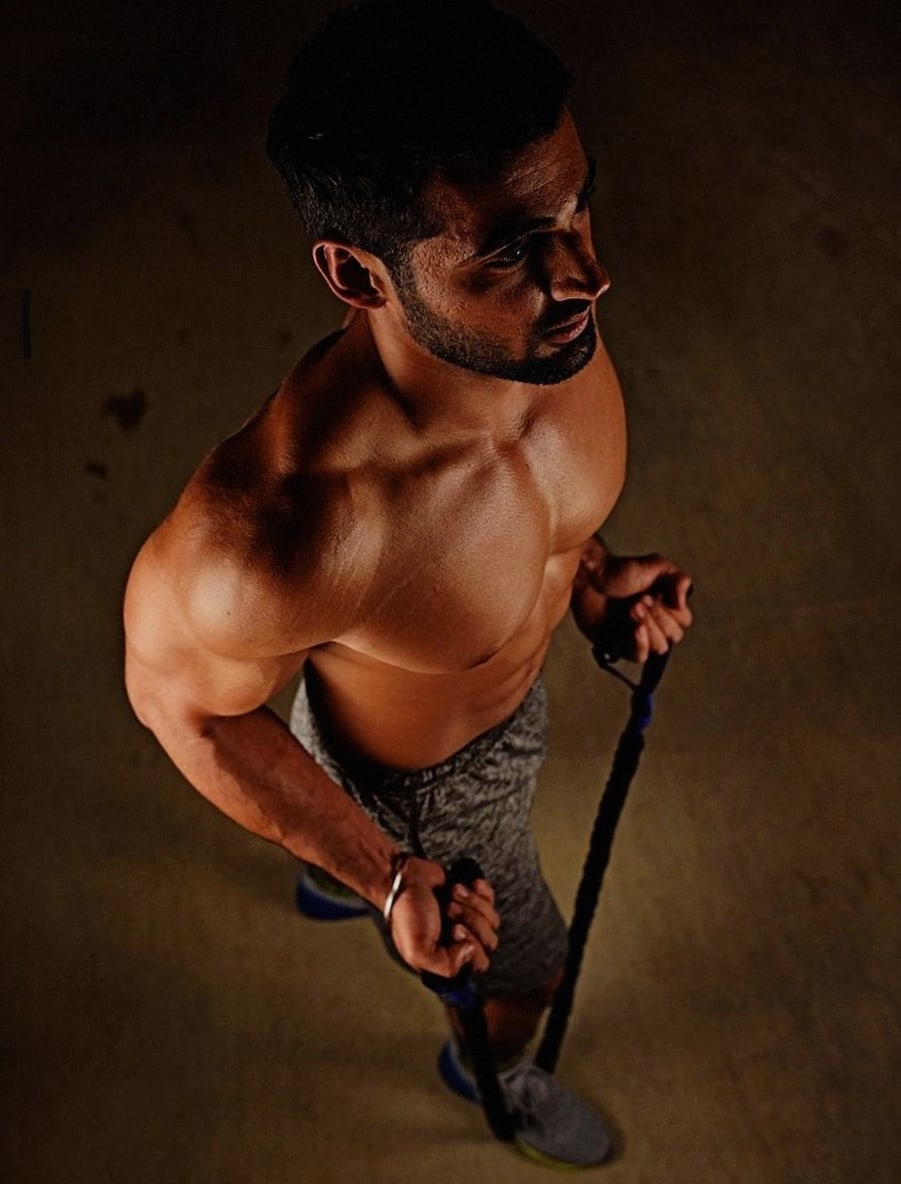
Shoulder work, guided
A coach's hand on the ribs keeps the position honest, so the shoulder moves and the lower back doesn't cheat to make it look better.

Loaded end-range hold
Holding a light bell at the end of range teaches the joint to stay under load, which is what separates the class from a stretching video.
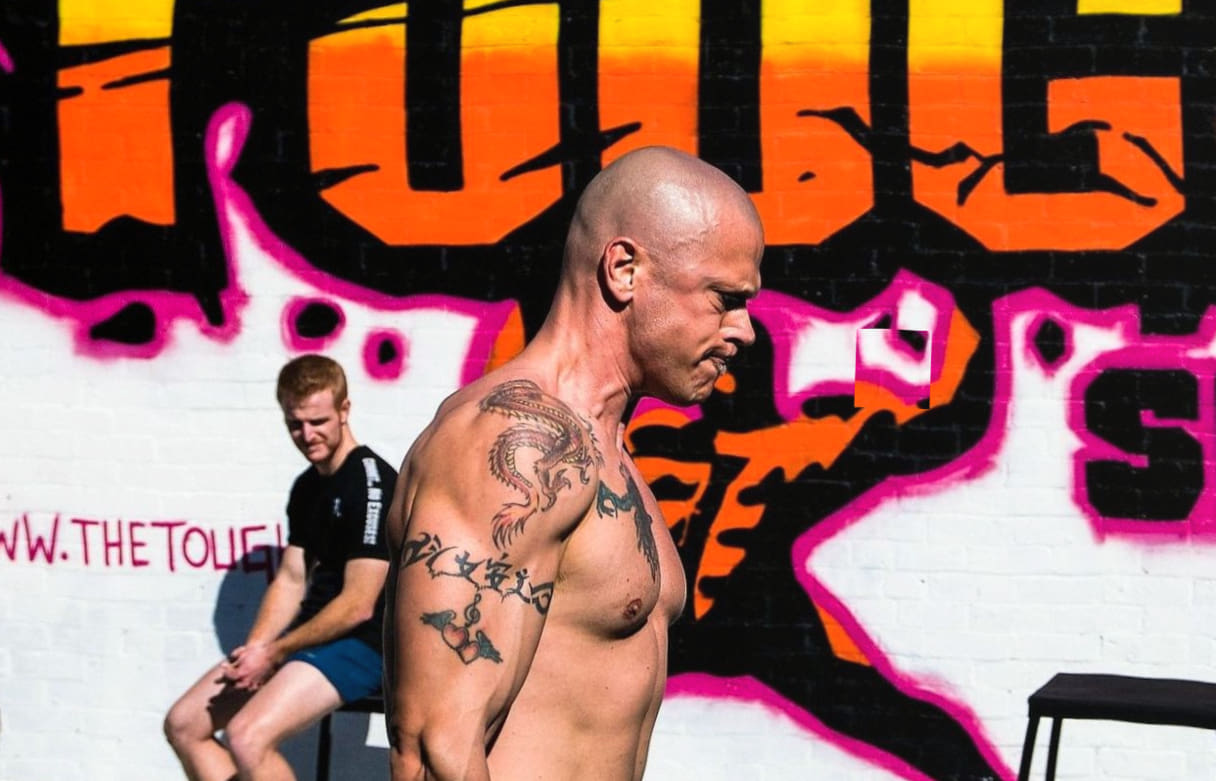
Ankle screen against the wall
Ankles are measured against a wall with the knee driving forward, since that number decides how much of the squat and stride work you get.
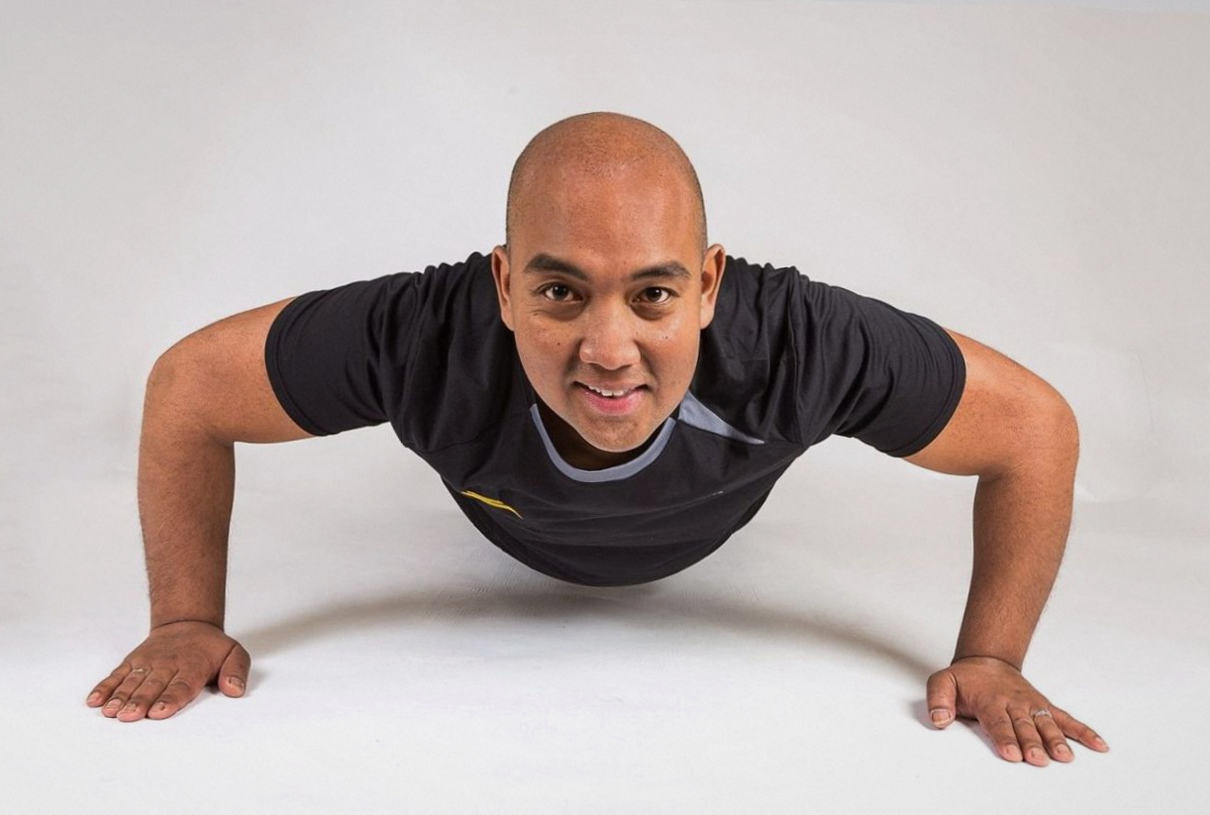
The studio before class
Six mats, no mirrors on the training wall, and space to actually move without bumping into the person beside you.
Mobility class questions, answered
Ask on the phone or by email if your question isn't listed. The front desk answers between classes and by the end of the day.
Start with a mobility assessment
Leave your details and the class coordinator will get back to you within one business day with available session times.